The New Platform Tax Is Engagement
For years, game studios fought platforms over the most visible part of the economics: the 30% fee.
That battle mattered. A lot.
When a player spends $100 and 30% goes to the platform, the studio is left fighting for margin after taxes, user acquisition, salaries, infrastructure, and content production. Direct-to-consumer channels can reduce the effective cost of monetization from roughly 30% to 5–10%, materially changing publisher profitability.
But the next platform battle will not be about payment fees.
It will be about player relationships.
Google’s latest moves after the Epic settlement are being interpreted as a win for developer economics. And in part, they are. Google has agreed to lower Play Store commissions, support alternative payments, and create a more open path for rival app stores. The fee structure is expected to move toward 10–20%, with an optional additional 5% for Google Play Billing.
The proposed Epic–Google settlement is also time-bound. According to Fenwick’s analysis, the settlement terms would last through 2032 if approved.
That detail matters.
Because a temporary reduction in fees is not the same thing as permanent strategic independence.
Google Is Not Retreating. It Is Repositioning.
The common narrative is simple: Google lost legal leverage, so Google lowered fees.
That is true, but incomplete.
A better reading is this:
Google is trading some monetization control for deeper engagement control.
If Google can no longer fully own the payment rail, it will try to own more of the player journey around the payment. That means quests, rewards, achievements, overlays, loyalty surfaces, progression, identity, recommendations, and cross-game engagement.
This is not charity. It is strategy.
A platform does not need to charge 30% forever if it can become the place where players discover, engage, progress, compare, claim rewards, and form habits. Once that happens, the platform regains leverage in a more subtle and durable way.
The tax moves from the transaction to the relationship.
The Dangerous Trade: Lower Fees for Higher Dependency
Game studios should be careful not to confuse better terms with better power dynamics. A smaller fee can look attractive in the short term. A studio may look at 20% instead of 30%, or a 5% billing add-on instead of full platform control, and conclude that the pressure has eased.
But if the studio gives Google more control over engagement in exchange, the studio may win basis points and lose the customer.
That is a bad trade.
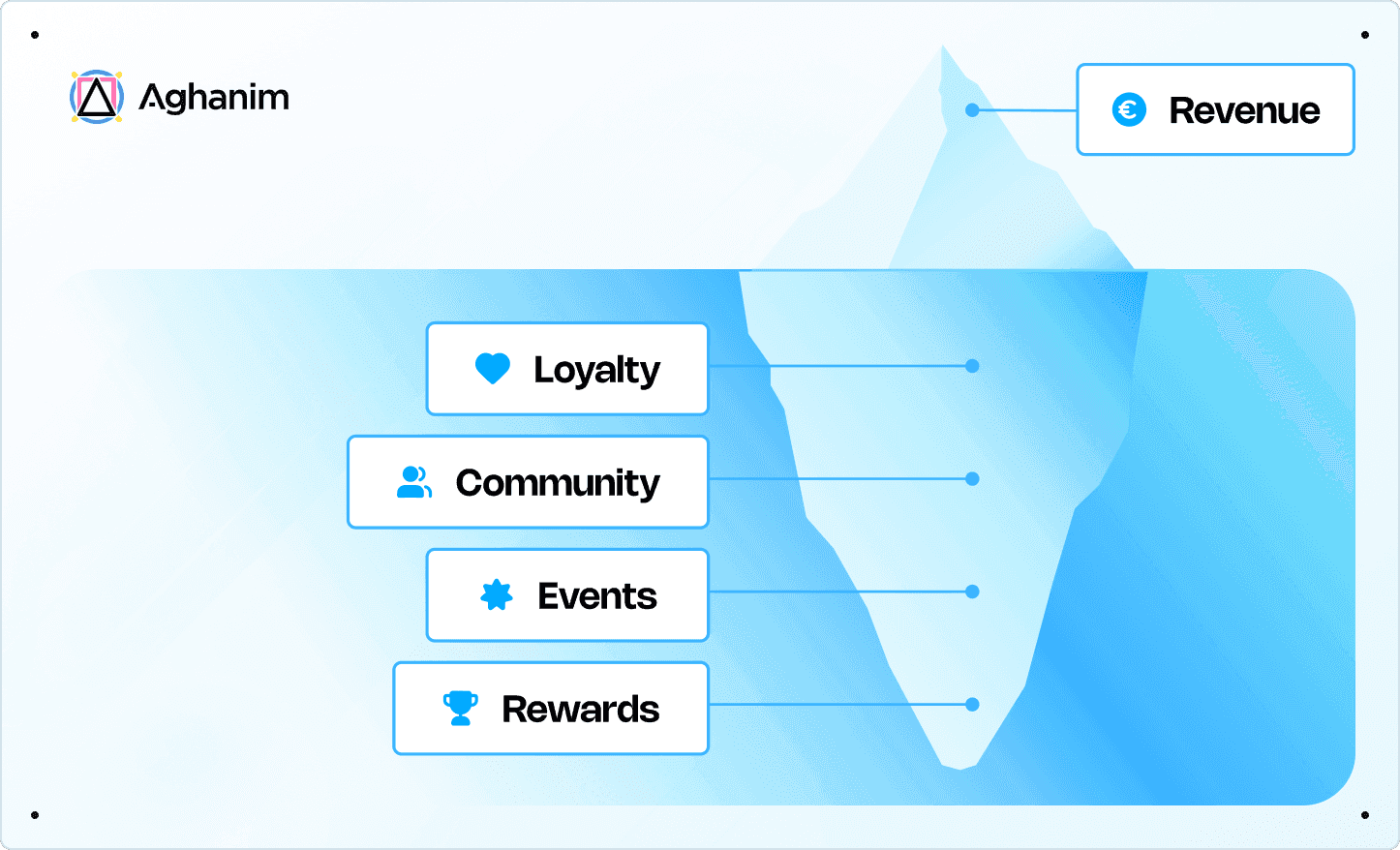
Payments are a cost center. Player relationships are the business.
If Google owns the engagement layer, then Google can influence:
- who sees the player,
- when the player returns,
- which rewards matter,
- where loyalty accrues,
- how habits form,
- and eventually, where the player spends.
At that point, the studio is not simply paying a platform fee. It is renting access to its own audience.
History Repeats Itself
The mobile industry has already seen this pattern.
First, platforms owned distribution.
Then they owned payments.
Then they owned attribution.
Then privacy changes reshaped user acquisition economics and made studios more dependent on platform-controlled advertising ecosystems.
The lesson is simple: when a platform controls the interface between a studio and its players, it eventually uses that control to improve its own strategic position.
Not because platforms are evil.
Because platforms are rational.
Google’s job is to strengthen Google Play. Apple’s job is to strengthen iOS. Neither company is responsible for maximizing a game studio’s long-term independence.
That responsibility belongs to the studio.
The 2032 Problem
The Epic–Google settlement may create a valuable window. But a window is not a foundation.
If the more favorable terms last through 2032, then studios have roughly six years to build real leverage.
The wrong response is to relax.
The right response is to build.
Studios should use this period to create direct player habits outside platform-controlled environments. That means building owned destinations where players do more than transact.
Not a checkout page.
Game hubs.
A game hub is a browser-based extension of the game experience: loyalty, progression, events, personalized offers, rewards, community, content, and metagame engagement. I make this distinction central: checkout page optimize transactions, while game hubs build long-term player behavior.
That distinction is now strategically urgent.
What Happens If Studios Give Up Engagement?
If studios allow Google to become the default engagement layer, the next decade becomes predictable.
First, Google reduces fees and wins goodwill.
Then studios integrate deeper engagement features because they are convenient, native, and already connected to Google Play.
Then players become trained to check Google-controlled surfaces for rewards, missions, status, achievements, and offers.
Then Google owns the habit.
Once Google owns the habit, it owns leverage again.
And when the settlement period expires, or when commercial terms evolve, studios may discover that they never truly escaped the platform tax. They merely changed its form. The 30% fee was explicit.
The engagement tax will be implicit.
The Most Valuable Asset Isn’t the Payment
Imagine two game studios.
Both generate exactly the same revenue.
Both pay exactly the same platform fees.
The difference is simple.
- Studio A owns the player relationship.
- Studio B doesn’t.
Which company is worth more?
The answer is obvious.
Because payments generate revenue.
Relationships generate enterprise value.
The company that owns the relationship controls:
- retention
- loyalty
- personalization
- merchandising
- community
- cross-promotion
- customer lifetime value
Everything else becomes easier.
The Strategic Answer: Own the Player Relationship
The future of mobile gaming will not belong to studios that merely negotiate lower fees.
It will belong to studios that build their own player economies.
That means:
- direct player accounts,
- owned loyalty systems,
- first-party commerce,
- personalized liveops,
- web-based engagement habits,
- community surfaces,
- and data strategies where the studio — not the platform — understands the player best.
The goal is not to abandon platforms. Google Play and the App Store remain essential distribution channels.
The goal is to stop being fully dependent on them.
A healthy studio-platform relationship requires leverage on both sides. Platforms should distribute games. Studios should own the player relationship.
The Real Question for Studio Executives
The question is no longer:
“How much can we save on fees?”
The better question is:
“Who is training our players?”
If Google trains the player, Google owns the habit.
If the studio trains the player, the studio owns the relationship.
And in games, the relationship is where all long-term enterprise value lives.
The end of the 30% era is not the end of platform power.
It is the beginning of a more sophisticated version of it.
Studios should take the lower fees.
But they should not trade their future for them.