How Game Hub Becomes a Player Destination
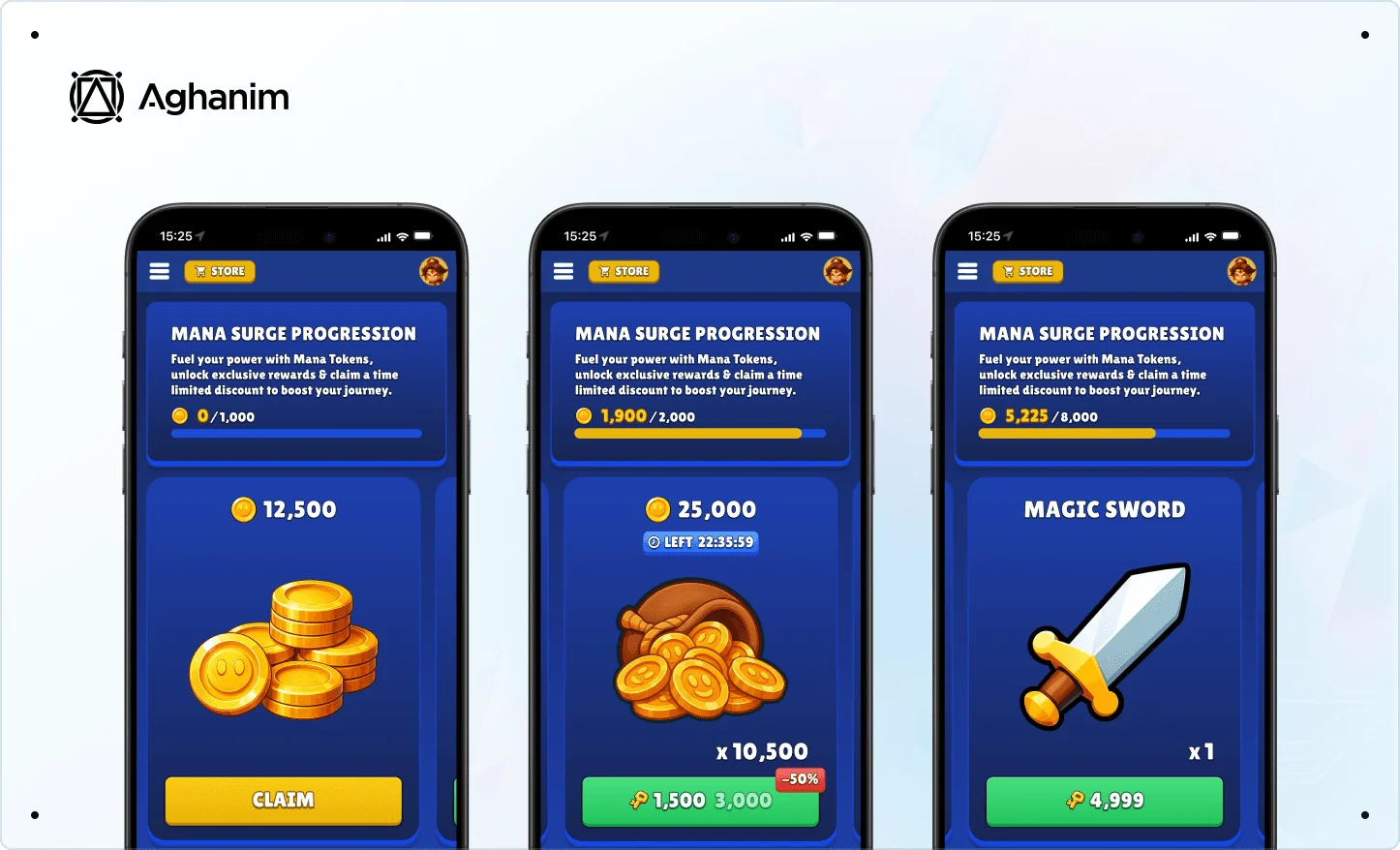
The first web visit needs a reason. A shop entry, event link, or reward claim can provide one. What turns that visit into repeat behavior is the work the hub does after the player arrives.
Game hub gives a studio one branded place to operate the moments that already shape player return: news, events, rewards, progression, profiles, achievements, and leaderboards. The storefront sits within that activity. The operational question is how those moments connect over time.
Content makes the next moment visible
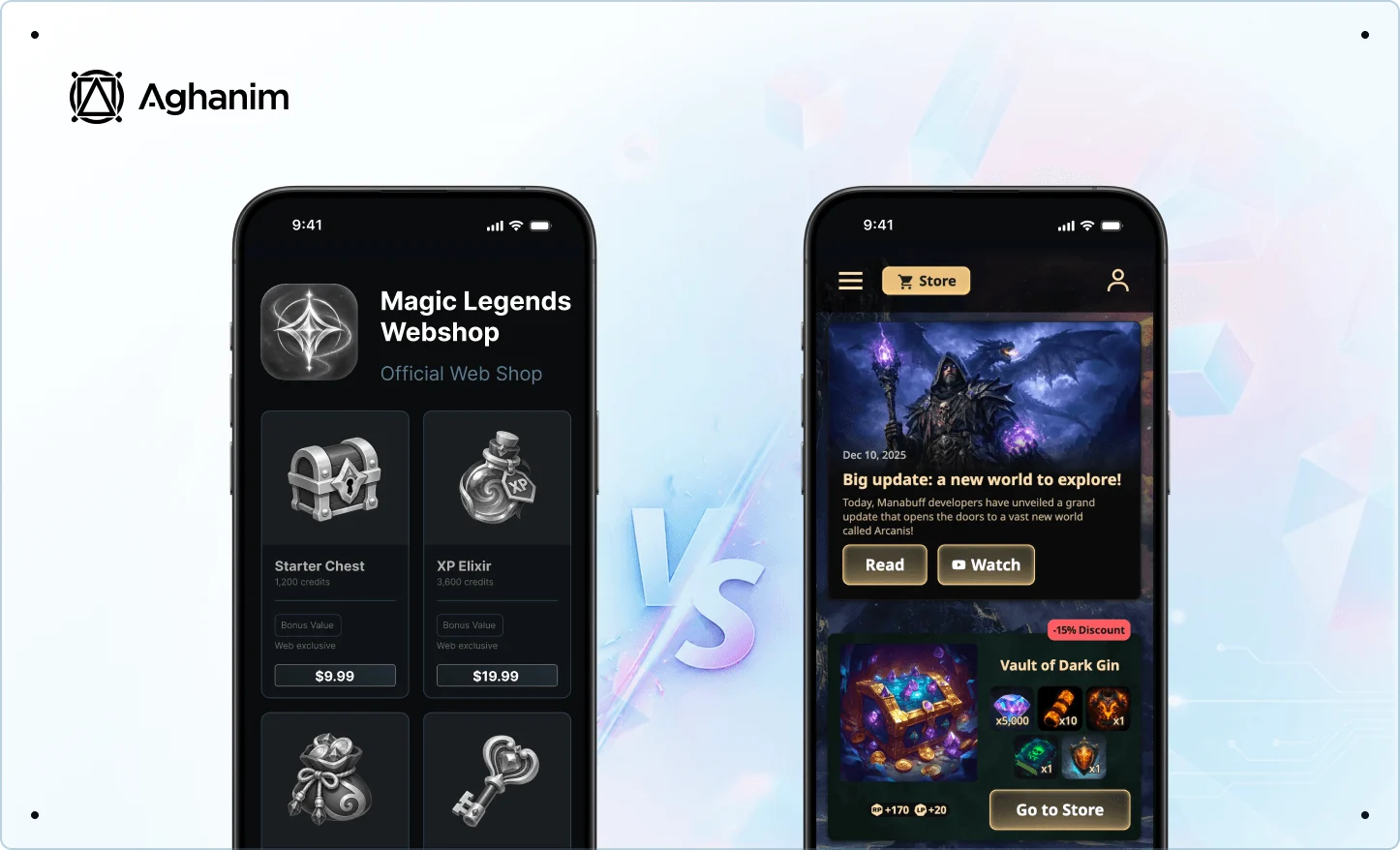
A player-facing update can announce an event, explain a reward window, mark a progression moment, or show what opens next. That gives the community team a way to carry the game’s ongoing conversation beyond the client.
The value is an operating rhythm, not a full feed. Each update should help a player understand what is happening now and what they can take part in next. News points to the event. The event makes a reward relevant. The reward gives the next visit a purpose.
For a game director and community lead, this makes game hub part of the game’s communications surface. The team has one place to connect player-facing news with the activity it describes.
Events and rewards create a return cadence
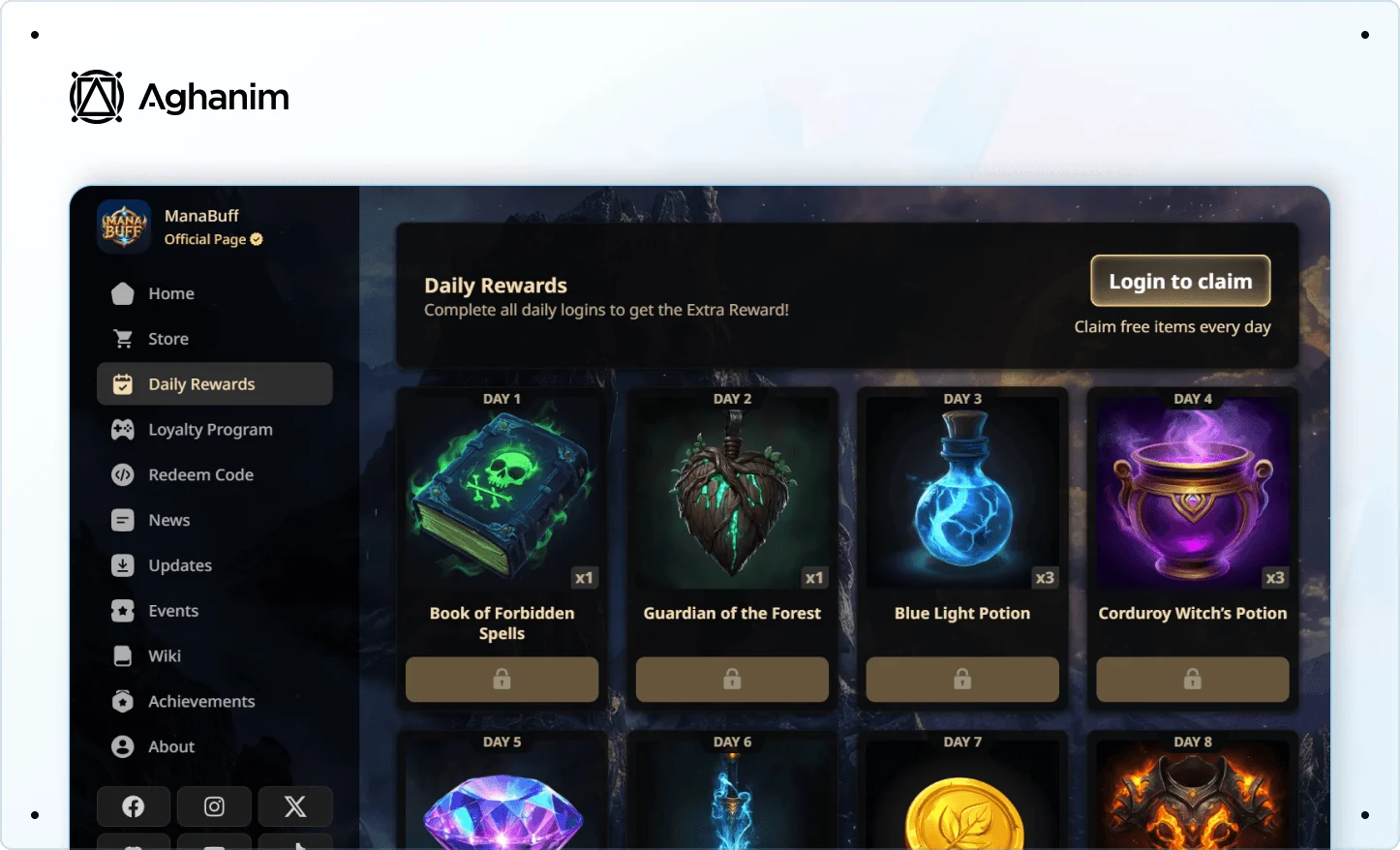
Daily rewards, coupons, virtual currency, progression, and one-time or recurring claims can be combined into a studio-defined player journey. Player events and limited availability add participation windows to that journey.
The sequence matters. A player arrives to claim a daily reward and sees the active event. Participation advances progression. Progression can lead to the next claim or make a new reward available. Each visit has an immediate reason to happen and a visible reason to return.
The economy and cadence remain the studio’s decisions. Some journeys center on participation and progression. Others bring together rewards, content, and targeted offers. The operating task is to arrange those mechanics around the game’s own loop, with each moment supporting the next one.
Identity gives each visit context
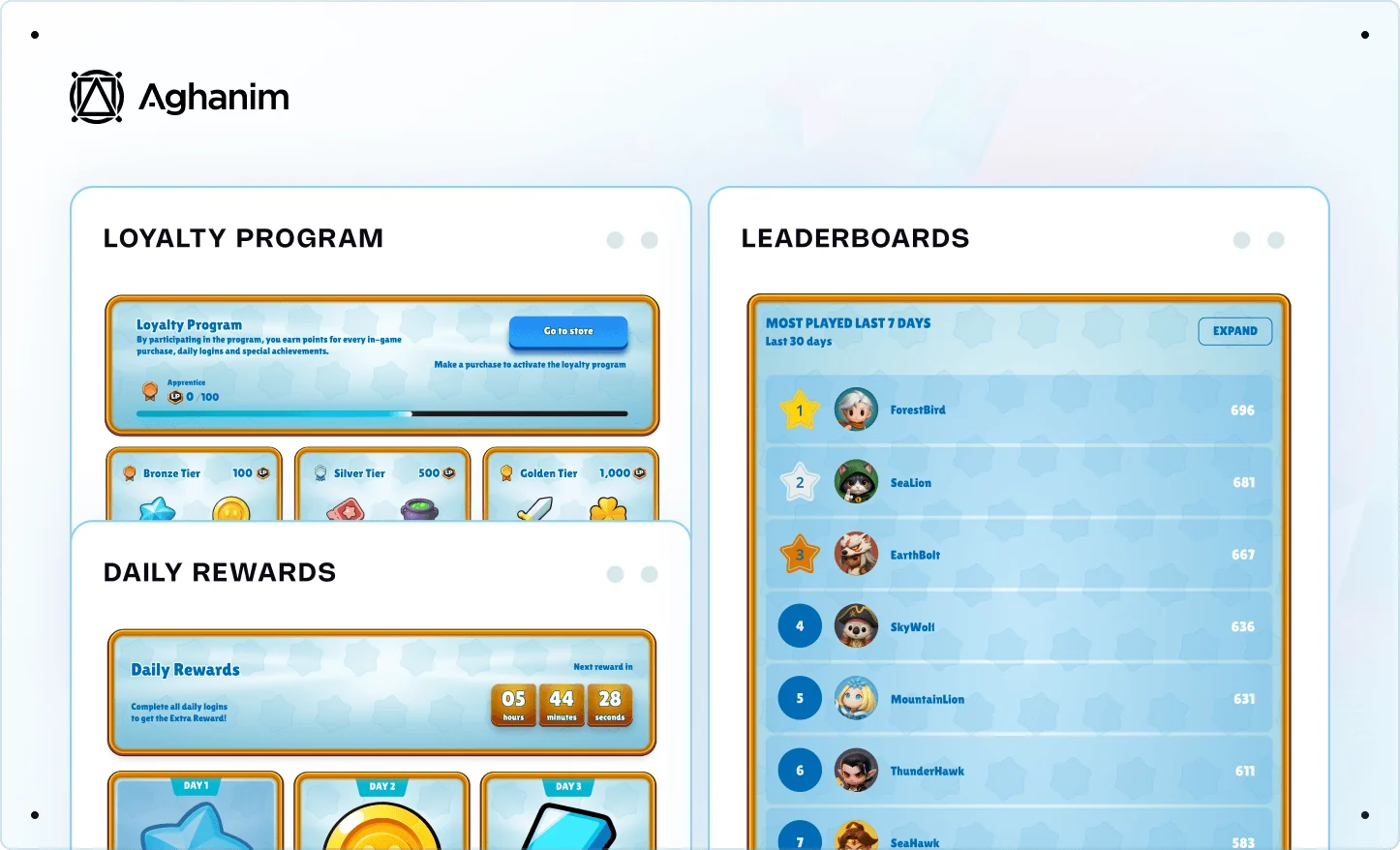
Player profiles, achievements, leaderboards, and progression make activity visible across the hub. A leaderboard gives players a reason to check their position. An achievement gives them something to show. Progression tells them where they are in the journey.
That continuity changes how a player reads each event or reward. It becomes part of an ongoing view of the game: what they have done, what is active now, and what they can return to next.
A game team does not need to move every system onto the web. The useful decision is which existing systems create return behavior and which of those players need to see between sessions. A game hub can carry that view alongside the news, rewards, and events that give it meaning.
The operating calendar connects the loop
Content, events, rewards, and player identity need a shared calendar. Without one, a reward claim, an event announcement, and a progression milestone remain separate moments.
A liveops designer can use that calendar to decide which participation window comes before a claim, which reward follows progression, and where an offer belongs in the player journey. A community lead can plan the update that explains the next event. A game director can choose which player activity stays visible between sessions.
This is the loop in practice: an update points to an event; the event creates participation; participation creates a reward or progression moment; the next update gives the player a reason to return.
The first web visit still costs a step. The return visit earns its place through the activity waiting there.