New Payment Rules, Same Reality: Game Hubs as a Sustainable Growth Strategy
New payment rules have given studios more options around lower fees, alternative providers, and regional flexibility. On the surface, that looks like a clear win. Open the P&L, and the picture looks far less changed than the announcements suggest.
The dependency underneath stays the same. Platforms still anchor discovery and distribution. The larger opportunity is not fee optimization alone, but building a studio owned layer where the player relationship lives.
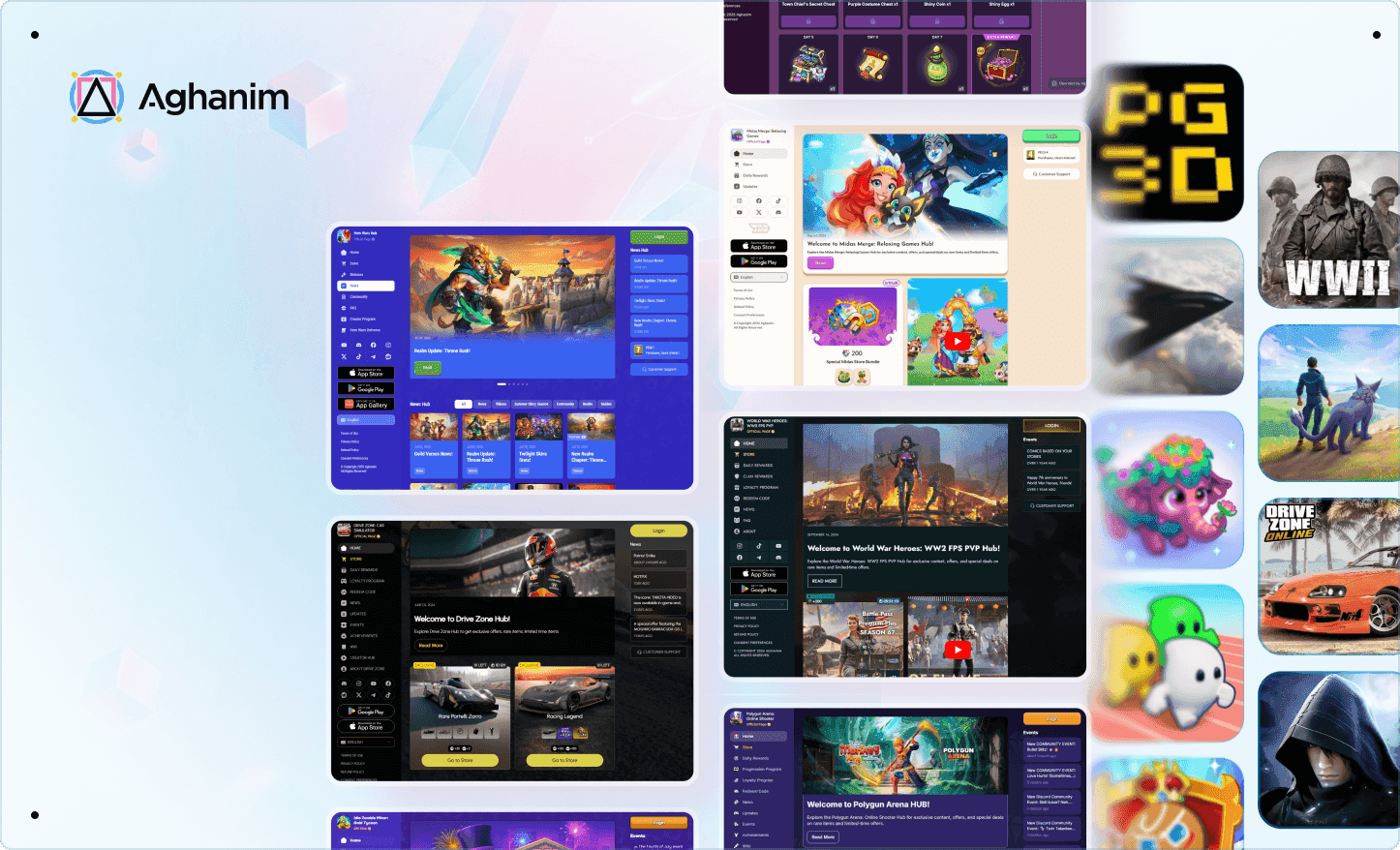
That layer is a game hub. It brings repeat monetization, rewards, commerce, and lifecycle engagement together. Sustainable DTC economics come from architecture, not policy. The work is to model monetization mix, routing, and direct channel potential title by title.
How the Fee Model Has Changed
Pressure from regulators in the EU, US, South Korea, India, and Japan pushed platforms to lower the visible fee. What came with it was a new set of service charges.
In several markets, one percentage split into several. Platform service fees, acquisition-related fees, store services fees, and commissions or fees tied to external purchase flows. On paper that is more flexible, and studios can tune it by product and region.
In practice, the math gets more complex. In some markets the effective rate declines, while elsewhere new line items appear. For some studios this creates tangible savings. For others it redistributes costs.
The only benchmark that matters is the unit economics of your title, not the averages from public announcements or case studies.
A lower commission in one market still comes with external payment processing, platform service charges, tax handling, and the cost of running a separate payment flow. The result can still be positive. It just will not show up in the fee percentage alone.
Alternative Payments and Player Experience
Alternative payments frequently introduce additional steps into the player journey. A redirect to a browser, a new interface, an extra confirmation step. None of that is a barrier on its own. Plenty of players will follow the flow when it clearly buys them something. A discount, a bonus, exclusive content.
What matters is what waits on the other side. If the external path just leads to a checkout built around fee optimization, players have no reason to leave the game. If it leads to a full game hub with a profile, rewards, cross game features, and a clear home for the brand, the transition works very differently. The question flips from "why did I leave the game?" to "what do I gain by entering the studio's ecosystem?"
A standalone webshop optimizes a transaction. A game hub changes behavior.
Why the Model Matters More Than the Fee
When all key payments flow through an intermediary, the studio is constrained by someone else’s infrastructure and customer journey.
With a game hub the player's account, progression, collections, rewards, offers, purchase history, and loyalty status can live together as the studio’s brand home. It connects multiple titles and creates a single interaction loop with players.
This does not eliminate platform fees. It allows studios to move part of monetization into a direct channel and retain a larger share of revenue.
The strongest DTC results do not come from moving the same checkout to a cheaper payment rail. They come from changing the model around the player through personalized offers, loyalty mechanics, segmentation, rewards, live events, and continuous optimization of the web experience.
How Studio Economics Change at Scale
A game hub can turn separate games into one operating ecosystem. A player you acquire once stays in the brand's orbit, plays more than one title, joins events, and comes back through direct channels.
A recent Celtic Heroes deployment with Aghanim illustrated this point. The game hub drove a 44% incremental revenue uplift in the first eight days after launch, with no cannibalization of mobile purchases.
Key Takeaway
Apple, Google, and the regulators keep adding options. For studios playing the long game, those options are variables to optimize, not the strategy itself.
Aghanim can help map this model at the title level. Current platform economics, direct channel potential, player routing, game hub incentives, and the operating workflow needed to make the shift measurable.
Policy can improve the economics of a transaction. A game hub can change the economics of the relationship.